

How Retry Logic Works
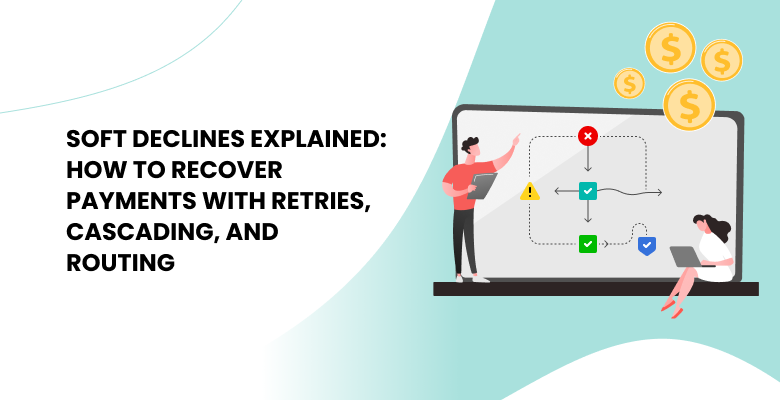
Retry logic starts by interpreting the failure reason, then applying rules such as delay windows, attempt limits, and route changes to decide the next step. The goal is to retry only when it’s likely to succeed and to stop when repeated attempts would add noise or risk.
In Akurateco’s customizable infrastructure, retry decisions run in real time, using transaction data and routing methods inside one system with centralized management and technical support. Routing selects the best provider for each transaction based on configurable rules and performance signals. If the first attempt fails, cascading automatically retries through the next preferred provider, following your conditions and limits.
Why Retry Logic Matters for Your Business
Retry logic helps recover revenue from temporary failures while reducing customer friction. It makes payment performance more predictable and can lower operational costs during early building. It also helps keep pricing more predictable by centralizing retry rules instead of rebuilding them per integration.
Akurateco extends these capabilities for each fintech project by enabling teams to build consistent retries into scalable payment services, with a flexible, open-source approach, secure, encrypted transactions, multi-currency support, and easy API integration.
Wrapping Up / Final Note
Retry logic is a core part of resilient payment processing. It helps recover failed payments without adding unnecessary retries, customer friction, or operational complexity.
Akurateco provides an orchestration engine that offers smart routing options to help businesses ensure consistent payment flows across providers and markets.
- Add payment methods quickly without multiplying integrations.
- Improve resilience with routing and cascading logic.
- Keep operations consistent through one orchestration layer.