

How Authorization Rate Works
Authorization rate is calculated as the number of authorizations returned by a provider divided by the total payment attempts in a given period. Drops often come from authentication friction, technical errors, or route issues rather than customer intent.
Within Akurateco’s customizable infrastructure, optimization is applied in real time using transaction data and routing methods, all handled in one system with centralized management and scalable capabilities. As a result, each payment is routed along the best available path, failures can automatically switch to an alternative direction, and performance stays consistent across providers, while you control the rules and see the outcomes in one place.
Why Authorization Rate Matters for Your Business
A higher authorization rate means fewer failed payment attempts and more stable checkout performance. It improves reliability when provider performance changes across regions and payment methods. Also, it reduces support load by cutting down on technical failures and timeouts. On the whole, better authorization performance helps keep revenue from your services predictable as volumes grow.
Akurateco improves authorization performance with secure, encrypted transactions, multi-currency support, scalable infrastructure, and easy API integration. Within an open-source solution, teams can apply consistent intelligent routing and monitoring across providers from one platform. In addition, businesses can reduce operational costs and keep pricing more predictable while building new payment flows without needing extra developers to rebuild integrations.
Wrapping Up / Final Note
Authorization rate shows how often payment attempts reach the issuer for a decision. For businesses, it’s an essential metric, since higher rates mean fewer failed checkouts and more revenue from the same traffic.
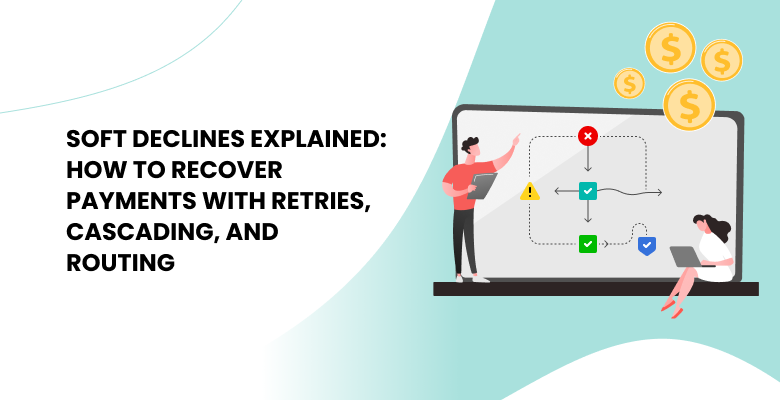
Akurateco helps merchants raise authorization rate by routing each transaction to the best-performing provider, switching routes on failures via cascading/failover, and tracking results centrally so the same optimization rules work across markets in one platform.
- Add payment methods quickly without multiplying integrations.
- Improve resilience with routing and cascading logic.
- Keep operations consistent through one orchestration layer.