


Merchant Management System & Software
What is a Merchant Management System?
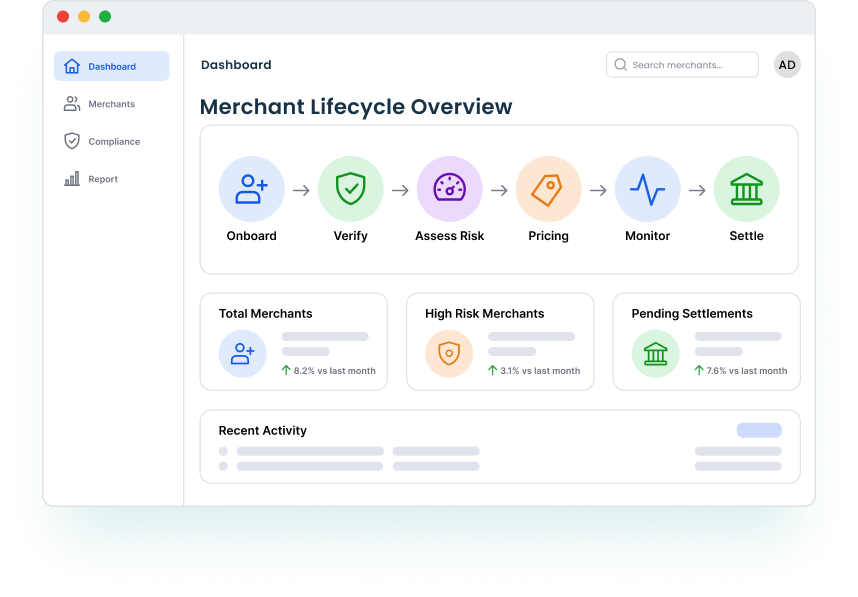
A merchant management system (MMS) is the software that payment providers use to run the full merchant lifecycle in one place. Instead of juggling separate tools for onboarding, compliance, risk, and settlements, a merchant management platform brings merchant applications, KYB/KYC checks, risk scoring, pricing, transaction monitoring, and payouts into a single interface.
For a PSP, PayFac, acquiring bank, or ISO, merchant management software replaces manual spreadsheets and disconnected systems with automated workflows. Your team approves merchants faster, monitors portfolio risk in real time, calculates settlements accurately, and gives every merchant a clear view of their activity. The result is a scalable operation that can grow the number of merchants you serve without growing your back office at the same rate.
Merchant Management System vs Payment Gateway


Core Modules of Akurateco's Merchant Management System
Merchant Onboarding & KYB/KYC
Chargeback & Dispute Workflows
Merchant Underwriting & Risk Scoring
Merchant Dashboard & Reporting
Transaction Monitoring
Merchant Portfolio Management
Contract, Pricing & Tariff Management
API Integrations & Webhooks
Settlement Calculation & Reconciliation
Roles, Permissions & Audit Trail
Automated Merchant Onboarding
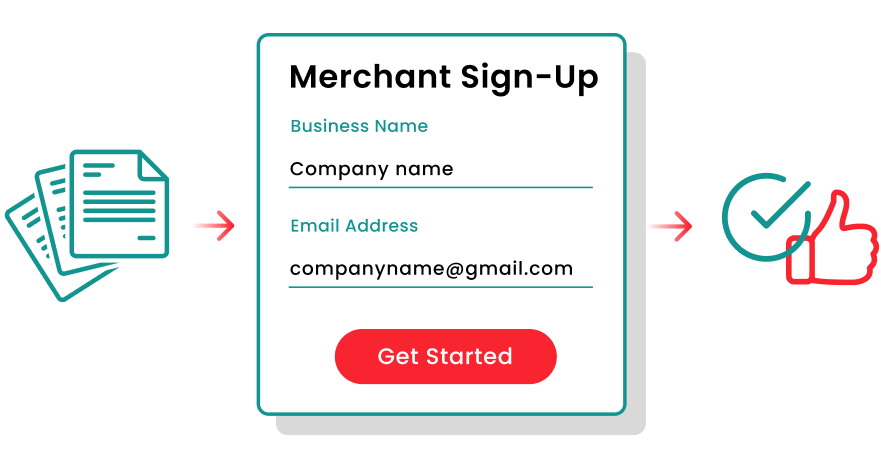
Application capture:
KYB/KYC verification:
Business and ownership checks:
Compliance review:
Approval workflow:
Merchant activation:
Merchant Risk Management & Monitoring


Continuous risk scoring:
reassess merchants as their behavior and volumes change.
Transaction monitoring:
watch for unusual patterns, spikes, and threshold breaches in real time.
Chargeback tracking:
monitor chargeback ratios and act before they reach penalty thresholds.
MCC and merchant classification:
keep merchants correctly categorized for accurate risk and pricing.
Fraud detection:
surface suspicious activity early with configurable rules and alerts.
Compliance monitoring:
keep evidence and checks up to date for audits and regulatory requirements.
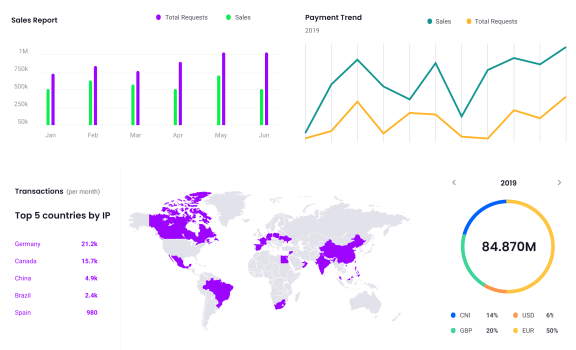
Transparent Merchant Management in One Interface
Manage your entire merchant base from a centralized dashboard. Generate transaction reports, set flexible pricing per merchant, monitor performance, and create settlements from one interface, with a clear view of every merchant in your portfolio.
Settlement Calculation & Reconciliation
Settlements are where accuracy matters most. Akurateco automates settlement calculation and reconciliation so finance teams can trust the numbers.
Settlement timing:
run settlements on the schedules you define, per merchant or group.
Fees and reserves:
apply fees, rolling reserves, and holdbacks automatically.
Payout status:
track each payout from calculation to completion.
Reporting and exports:
generate statements and export data for accounting and audits.
Automated notifications:
keep merchants and internal teams informed at each stage.

Seamless Merchant Migration
Import all existing merchant accounts into the system without the friction of a standard implementation, so you can move your portfolio over quickly and start operating right away.
Merchant Management System API Integration
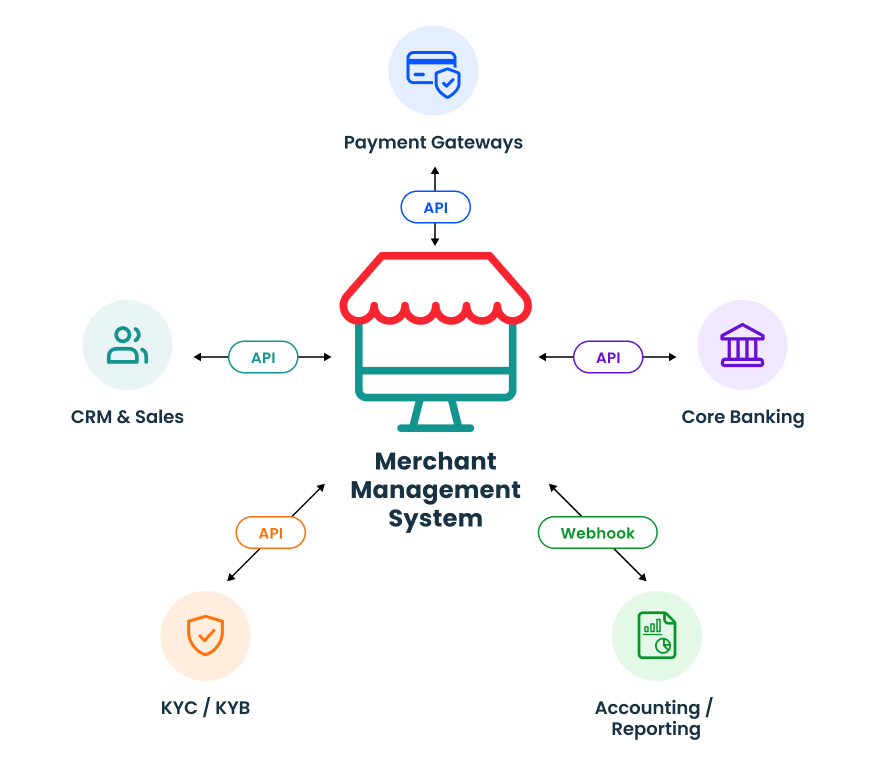
Akurateco’s merchant management system is built to connect with the rest of your payment stack through open APIs and webhooks.
Integrate with:
- Payment gateways and orchestration layers
- CRM and sales systems
- Core banking platforms
- KYC/KYB and compliance providers
- Accounting and reporting tools
Use webhooks to keep everything in sync in real time, with events for merchant status changes, onboarding milestones, risk flags, settlement updates, and report exports.
A typical merchant flow moves through the system from start to finish:
Application

KYB/KYC
Risk scoring
MID setup
Processing
Monitoring
Settlement
Reporting
Application
KYB/KYC
Risk scoring
MID setup
Processing
Monitoring
Settlement
Reporting
Who Uses Merchant Management Software?
PSPs & PayFacs

Acquiring Banks

ISOs & MSPs

SaaS Platforms & Marketplaces

Cross-Border Payment Businesses
Results You Can Measure
Onboarding time
Merchant capacity per operator
Settlement accuracy
Before Akurateco
~7 days (manual)
~50 merchants
Manual reconciliation, error-prone
After Akurateco
~1 day (automated)
~150 merchants
Automated, auditable
Onboarding time
Before Akurateco
~7 days (manual)
After Akurateco
~1 day (automated)
Merchant capacity per operator
Before Akurateco
~50 merchants
After Akurateco
~150 merchants
Settlement accuracy
Before Akurateco
Manual reconciliation, error-prone
After Akurateco
Automated, auditable
FAQ
What types of businesses can benefit from a Merchant Management System (MMS)?
This system benefits various businesses, including PSPs, banks, and ISO/MSPs. It streamlines merchant onboarding, enhances transaction management, and fosters growth opportunities.
Can a Merchant Management System help with fraud prevention and risk management?
Yes, the system is instrumental in fraud prevention and risk management. With advanced fraud protection measures, it safeguards businesses and customers from potential threats.
What are the typical costs associated with implementing MMS?
The costs associated with implementing this software vary based on the provider and business requirements. Factors such as features, customization, and support contribute to the pricing.
How long does it take to implement Software for Managing Merchants?
The implementation time for Merchant Management Software varies based on the deployment model. For on-premise solutions, it may take up to three months to ensure seamless integration. In contrast, SaaS options require significantly less time, approximately one week, if no new integrations are necessary.
How can I choose the right Merchant Management Software for my business?
To choose the right software, consider your business needs, scalability, security, and vendor reputation. Conduct thorough research and opt for a solution that aligns with your long-term goals.
Can an MMS help improve customer satisfaction and loyalty?
Absolutely, a Merchant Management System improves customer satisfaction and loyalty. Streamlined transactions, efficient support, and secure payment processes enhance the overall customer experience, fostering loyalty and trust.
What is merchant management?
Merchant management refers to the process of overseeing and supporting the relationships between a payment service provider (PSP) or financial institution and the businesses (merchants) that use their payment services. It involves tasks like onboarding new merchants, ensuring they have the necessary tools to process payments, providing customer support, and ensuring compliance with regulatory standards.
Who falls under merchant services?
Merchant services encompass a range of financial services designed to help businesses accept payments and manage transactions. This includes payment processors that authorize and process card payments and payment gateways that connect a merchant’s system to the payment processor for secure transactions. Acquiring banks work with merchants to handle payment processing, while merchant account providers offer the accounts needed to accept card payments.
What is the difference between a merchant management system and a payment gateway?
A payment gateway processes individual transactions, while a merchant management system manages the merchants behind those transactions, from onboarding and risk to pricing and settlements. Akurateco offers both.
What modules should a merchant management system include?
A complete MMS typically includes merchant onboarding and KYB/KYC, risk scoring, transaction monitoring, pricing and tariffs, settlements and reconciliation, chargeback management, reporting, and API integrations.
How does merchant management system API integration work?
Akurateco connects to your gateway, CRM, core banking, compliance, and reporting tools through APIs and webhooks, keeping merchant data in sync and automating events like status changes, risk flags, and settlement updates.
Can a merchant management system automate merchant onboarding?
Yes. Akurateco automates the full onboarding journey, from application capture and KYB/KYC to compliance review, approval, and merchant activation, with a clear status at every step.
Can an MMS manage settlements and reconciliation?
Yes. The system calculates settlements, fees, and reserves automatically, then reconciles payouts against processed volume and generates auditable reports.
What data can merchants see in the dashboard?
Merchants get a self-service view of their transactions, statements, settlement status, and performance, which reduces support requests and improves transparency.
Ready to improve your merchant management processes?
Schedule a call to discuss how we can help you with that!